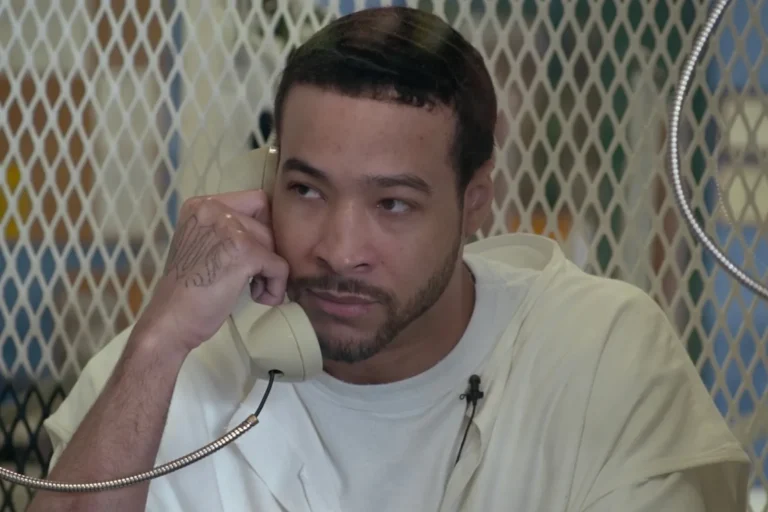
His conviction was based in part on the lyrics of a rap song he had written as a teenager, despite having no direct connection to the crime for which he was convicted. A later confession by his cousin, asserting James’s innocence, was rejected by the Supreme Court.
Hundreds of thousands of people mobilized on his behalf. To all of them, we wish to express our gratitude, on behalf of James and those who loved him: every voice, every signature, every gesture helped remind the world that the death penalty can—and must—be abolished.
In recent weeks, James had written:
«The overwhelming outpouring of love and support I have received has touched me more deeply than I ever could have imagined. It is incredible—and truly a blessing—to know that parts of my life and my story have been able to move so many people around the world. From the widespread support for saving my life, to all those who signed and shared the petition, to those who are now becoming aware of the new evidence proving my innocence in this wrongful conviction… I am almost at a loss for words at the number of hands I feel reaching out to me through the darkness. And for the commitment each of you has shown in trying to help me, I feel the need to tell you personally that I love you and I thank you. No man is an island, and I believe that together we are better. Keep pushing and fighting, because the struggle for what is right never ends.”
James dreamed of being recognized as innocent and of regaining his freedom. He had planned to come to Italy. He was 38 years old, 19 of which he had spent on death row.
Pope Leo XIV, recalling paragraph 2267 of the Catechism of the Catholic Church, as approved by Pope Francis in 2018, reiterated that “the Church teaches that the death penalty is inadmissible because it is an attack on the inviolability and dignity of the person,” and that “today it is possible to protect the common good and uphold the demands of justice without resorting to capital punishment.”