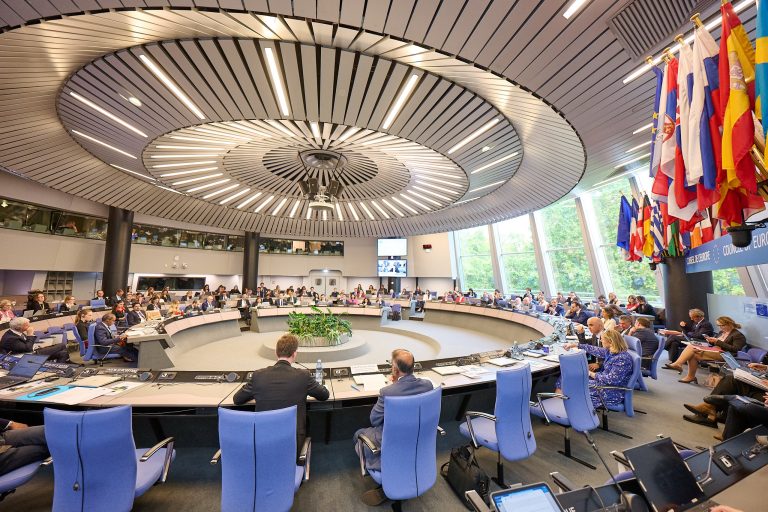
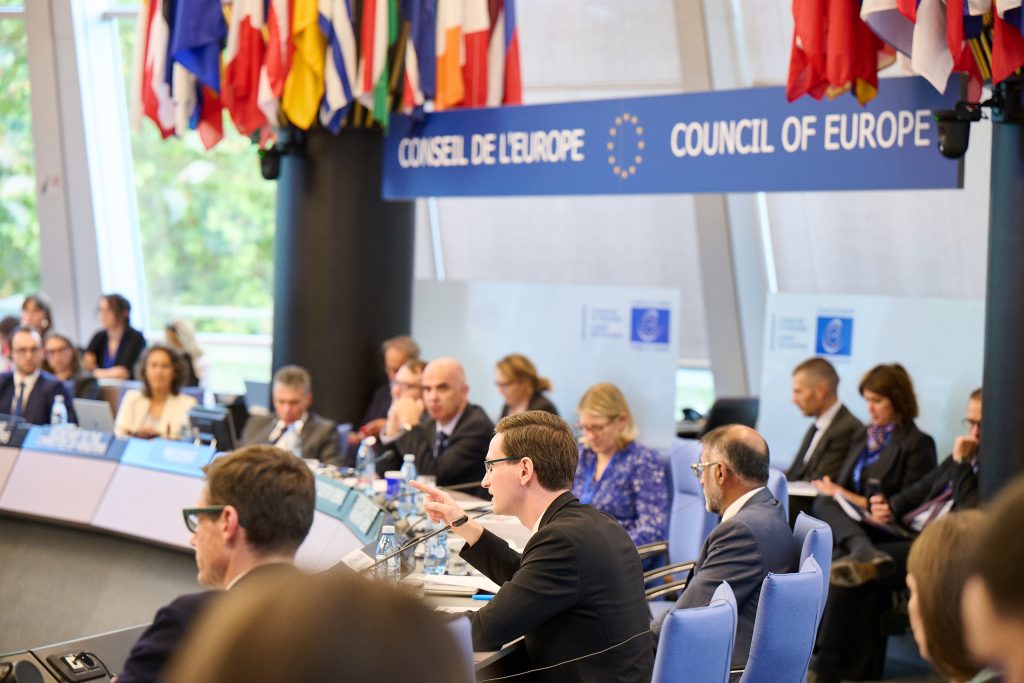
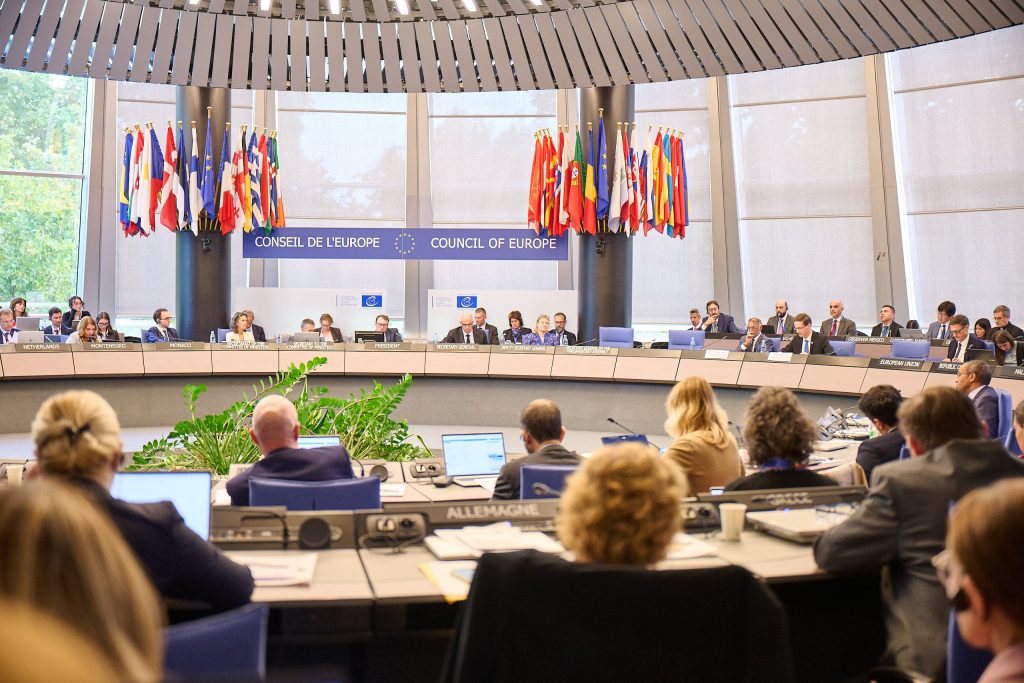
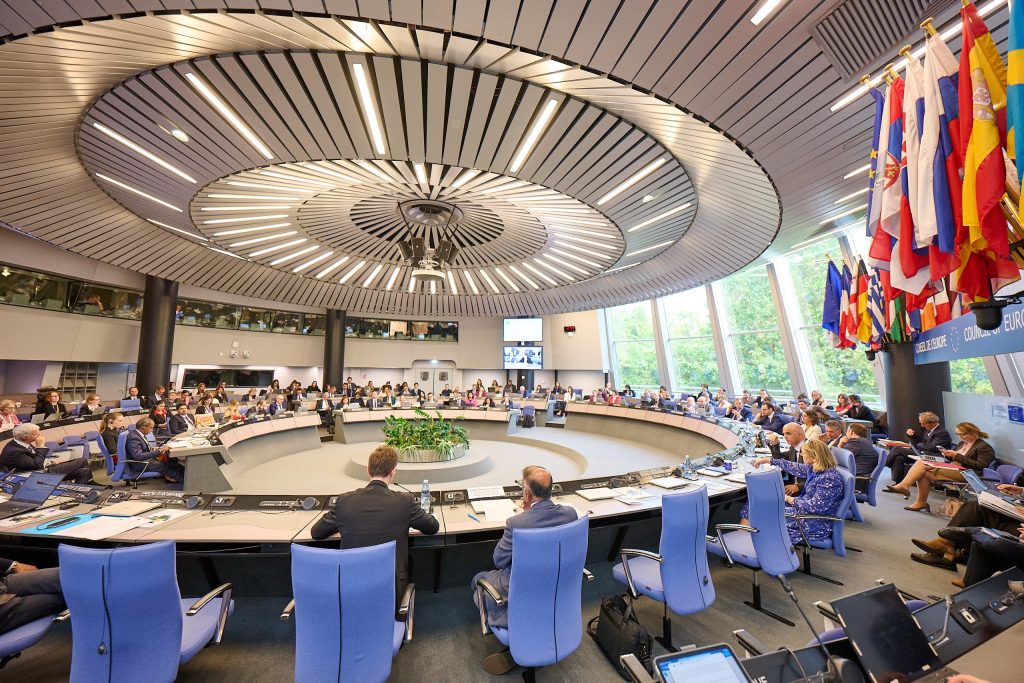
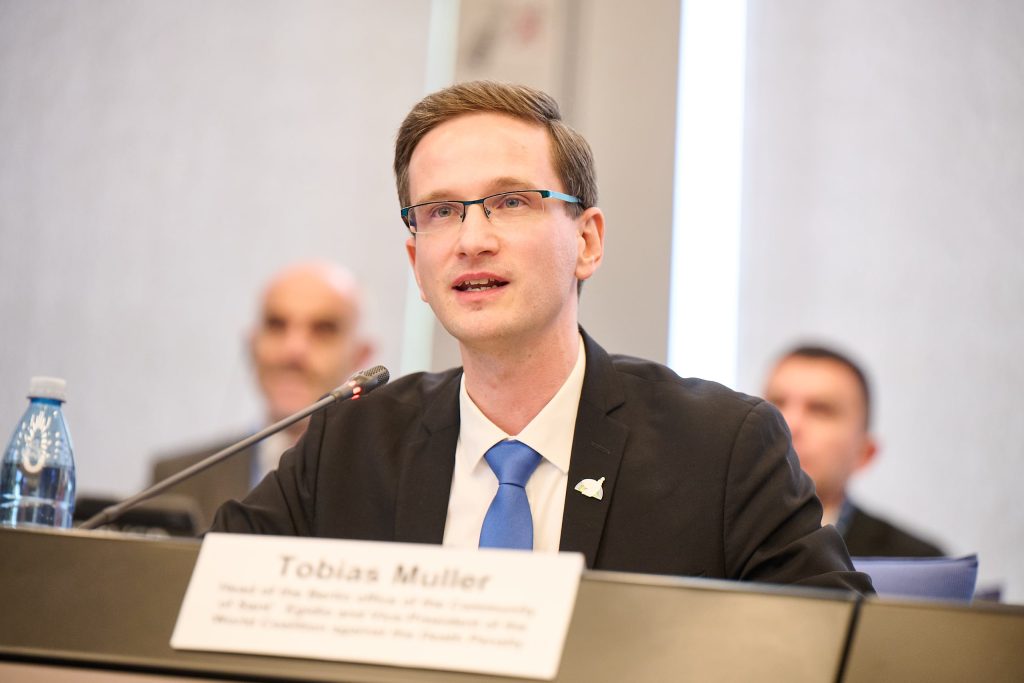
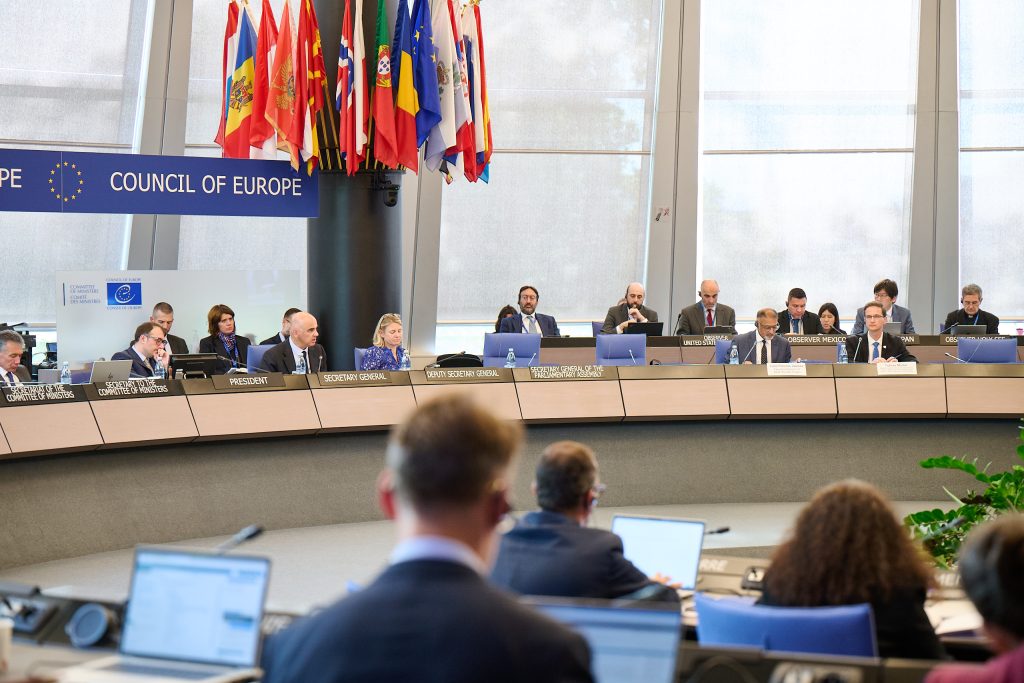
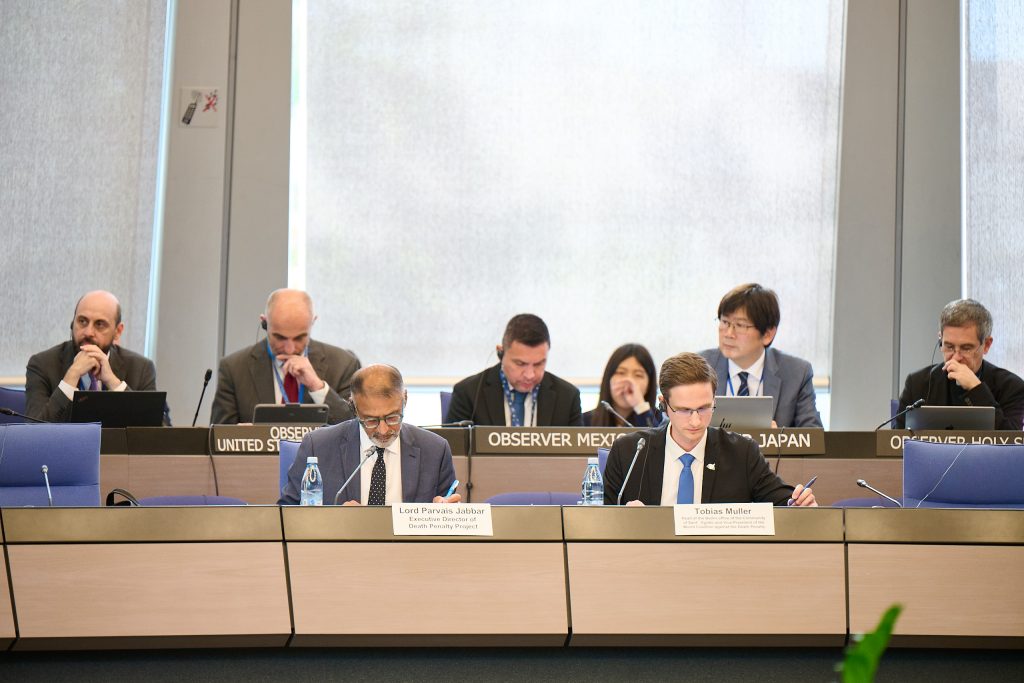
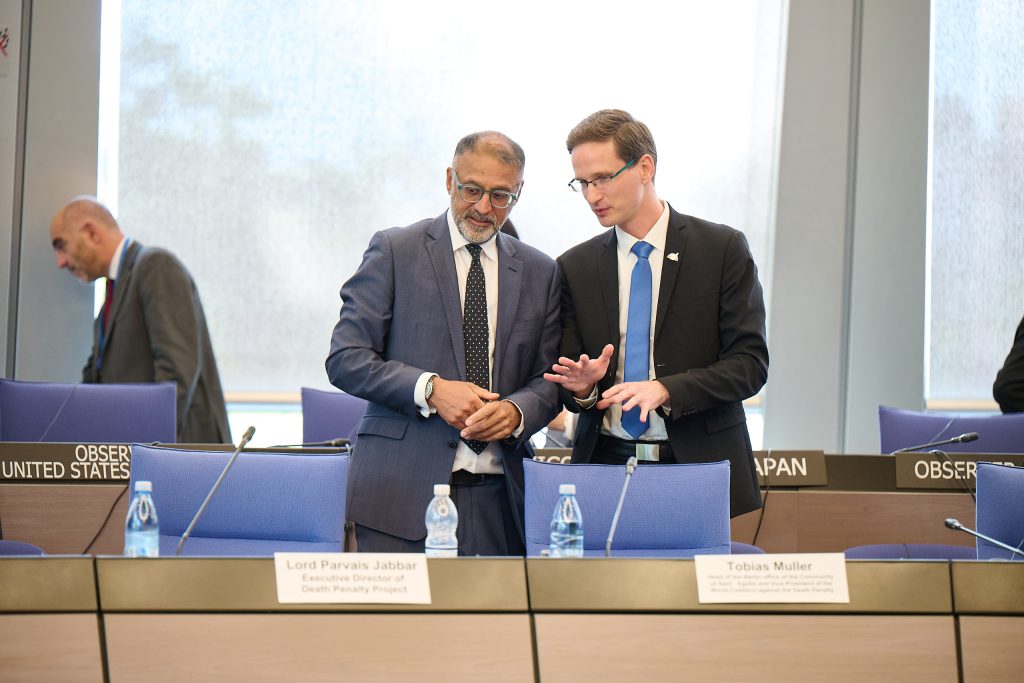
On 7th October in Strasbourg, the Community of Sant’Egidio brought its experience in the struggle against the death penalty to the Council of Europe, in a debate on the path towards universal abolition. Tobias Mueller, member of Sant’Egidio and Vice-President of the World Coalition Against the Death Penalty, presented Sant’Egidio’s approach, based on dialogue, personal relationships and the conviction that abolition can be part of a wider path towards peace and reconciliation.
The intervention took place against a backdrop of contrasting developments. In August, Lebanon formally abolished the death penalty, becoming the first country in the Middle East to do so. At the same time, Algeria, which has maintained a moratorium on executions since 1993, is moving to expand the use of the death penalty. And in the United States, the case of Christa Pike, who survived a failed execution attempt in Tennessee last week, has once again brought the irreversible and human reality of the death penalty into focus.
The presentation of Sant’Egidio’s work generated strong interest among ambassadors and representatives at the Council of Europe, particularly in the Community’s experience of building relationships across countries and combining cultural and political change. This includes the Cities for Life – Cities against the Death Penaltycampaign, which mobilises cities around the world in support of abolition, as well as Sant’Egidio’s efforts to bring together countries with different positions on capital punishment.
A central instrument of this work is the International Congress of Justice Ministers, which Sant’Egidio has convened since 2005. The next Congress will take place in Rome on 1 and 2 December, bringing together Justice Ministers from abolitionist, de facto abolitionist and retentionist countries. In a confidential setting, ministers can discuss practical steps towards abolition – including moratoria, commutations and legislative reform – and learn from one another’s experiences. The forthcoming meeting will be particularly important in view of the next UN General Assembly resolution on a moratorium on the use of the death penalty.
This work shows the importance of working together, as reflected in Sant’Egidio’s active role in the World Coalition Against the Death Penalty, founded in Rome in 2002 and marking its 25th anniversary next year.
The meeting at the Council of Europe reaffirmed the importance of continuing to build bridges and create spaces for dialogue. Abolition is a process: it advances when political institutions and civil society work together, keeping the value of every human life at its centre.
-
- © Council of Europe
-
- © Council of Europe
-
- © Council of Europe
-
- © Council of Europe
-
- © Council of Europe
-
- © Council of Europe
-
- © Council of Europe